

Festival de Cannes 2025 | When the Past Pales
 By Arash Azizi
Nobel-prize winning Japanese-born British author Kazuo Ishiguro is here for A Pale View of Hills, an adaptation by Kei Ishikawa
Continue Reading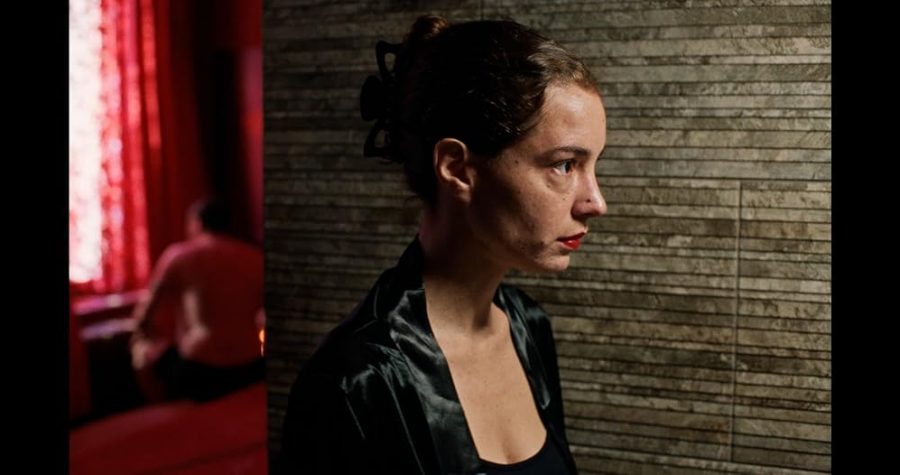
Festival de Cannes 2025 | Kika (2025) – Sex Work, Soft Light, Hard Truths
 By Amir Ganjavie
At first glance, Kika unfolds like a gentle romantic prelude: twilight in Brussels, a bicycle in need of repair
Continue Reading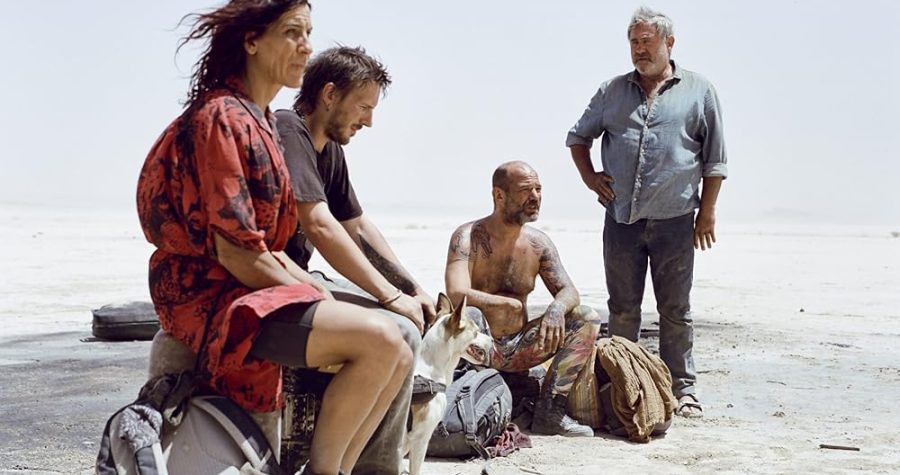
Festival de Cannes 2025 | Sirât – A Journey Across the Bridge of Being
In Sirât, Oliver Laxe offers a cinematic experience that feels more like a passage than a story—a crossing over, rather than a destination
Continue Reading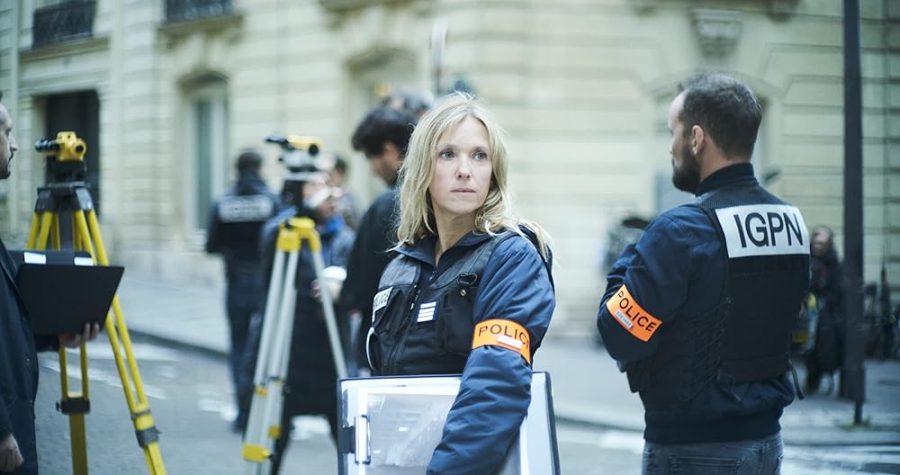
Festival de Cannes 2025 | Dossier 137 and the Ethics of Democratic Judgment
Dominik Moll’s Dossier 137, which premiered in competition at Cannes 2025, is a sobering dramatization based on true events
Continue Reading
Festival de Cannes 2025 | Promised Sky: How to make a good film out of news headlines
Erige Sehiri’s Promised Sky, which opened Cannes’ Un Certain Regard side-section, is based on a story with all the urgency and humanity
Continue Reading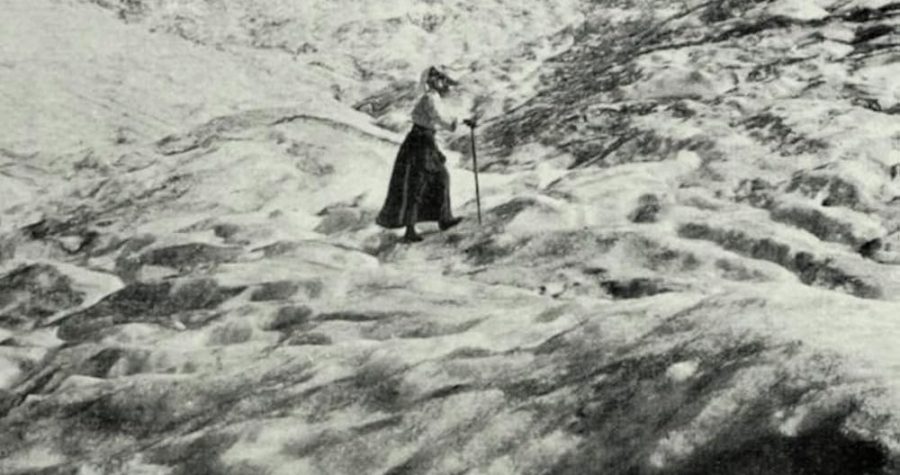
Festival de Cannes 2025 | The Girl in the Snow: Louise Hémon’s Evocative Debut Is Visually Striking, But Undermined by a Projected Idealism
Louise Hémon’s The Girl in the Snow, which had its premiere at the Directors’ Fortnight during the 78th Cannes Film Festival
Continue Reading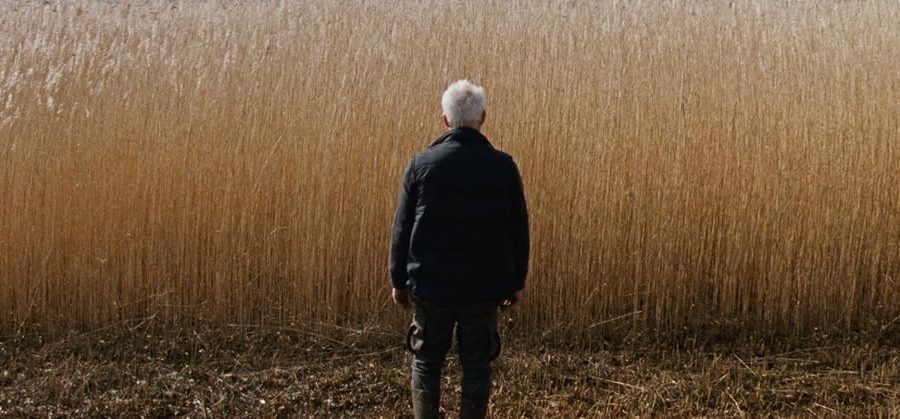
Festival de Cannes 2025 | Echoes in the Reeds: Landscape, Guilt, and Silence in Reedland
Premiering in the Critics’ Week section of the 2025 Cannes Film Festival, Reedland (Rietland) marks a quietly powerful debut by Dutch filmmaker Sven Bresser. Set in the marshy flatlands of the northern Netherlands and centered on a solitary reed cutter who discovers the body of a young girl on his property, the film quickly distances itself from the conventions of crime thrillers. Instead, it unfolds as a meditative, sensuous, and deeply haunting work—one that uses the language of landscape to explore grief, isolation, and the eternal ambiguity of human guilt.
The protagonist, Johan—played by non-professional actor Gerrit Knobbe with a face seemingly carved from the very earth he tills—lives a life of repetition and solitude. Each day, he rises to cut reeds by hand, burn what’s left behind, tend to his aging mare, and occasionally care for his young granddaughter. The discovery of the girl’s lifeless body interrupts this rhythm, but the film resists any traditional structure of investigation or resolution. What unfolds is a spiritual descent, a study in how a man’s quiet routines and rituals mask a deeper psychological disintegration.
At its core, Reedland is a film about landscape—not merely as backdrop, but as co-narrator. The wetlands where Johan lives and works are captured with a painterly precision that recalls the Dutch Golden Age masters: Jacob van Ruisdael’s stormy skies, Hobbema’s carefully composed forests, or even the melancholic silence of Vermeer’s interiors translated into open air. Here, nature is vast and indifferent, stretching across the frame with an unsettling stillness. It does not comfort, nor does it condemn. It observes.
This cinematic use of landscape carries a rich historical resonance. Dutch painting has long used the environment not simply to depict the external world, but to mirror the internal states of its subjects. Bresser continues this tradition, shaping his images so that fields, ditches, and stretches of reed become projections of Johan’s mind. The land is cultivated—tamed by generations of labor—yet something wild remains beneath the surface. When Johan looks out across the horizon or trudges down a muddy path, the audience senses that what he is confronting is not just a physical space, but a moral one: a terrain where memory, fear, and guilt are inextricably entangled.
The film’s rhythm—slow, deliberate, almost ritualistic—amplifies this sense of immersion. The camera does not seek revelation through plot but through presence. It lingers. It observes the passage of light through mist, the sound of reeds rustling in the wind, or the slow, repetitive gestures of Johan’s daily labor. Silence becomes a character. Dialogue is sparse, and what little is said only underscores what remains unspoken. This is a cinema of atmosphere and elemental force, where the most powerful truths lie beneath the surface, never fully named.
There are echoes here of a certain philosophical mode of filmmaking—one that refuses spectacle and embraces the poetic potential of austerity. In such a mode, reality is heightened by attention, not embellishment. Bresser’s direction leans on suggestion rather than explanation. The ominous mythologies whispered through the community—the mention of a hidden monster, a cursed mermaid, or the othering of the rival “Trooters” across the lake—are never fully developed, yet their presence looms, infecting the air with a subtle dread. The fear of the outsider, the projection of evil onto another tribe, becomes a quiet undercurrent, rendering nationalism and xenophobia not as political arguments, but as ancient, instinctual reflexes. Evil, the film suggests, may not be out there, but already rooted in the soil we till and the names we call our neighbors.
There is also a political dimension here, woven discreetly into the reeds. Johan’s traditional trade is in decline. Globalized markets have introduced cheaper, industrialized methods; European regulations threaten his lease. “You have to adapt to change,” he is told. But he doesn’t. He clings to old rhythms, to a way of life slowly eroding beneath him. This erosion—economic, cultural, even metaphysical—infuses the film with melancholy. What does it mean to be left behind not just by history, but by meaning itself?
And yet, Bresser resists despair. There is beauty here—moments of stillness that feel sacred, gestures of care between Johan and his granddaughter, the poetry of smoke rising through morning light. Nature may be indifferent, but cinema is not. Through its patient gaze, Reedland offers not answers but intimacy—a way of looking that honors the complexity of a life lived in silence.
As Cannes celebrates cinema in all its forms—from the dazzling to the daring—Reedland stands out for its quiet conviction. It is a debut that listens more than it speaks, one that dares to dwell in the spaces between action, in the reeds between words. In a world saturated with noise, Sven Bresser has delivered something rare: a film that hears the silence, and teaches us to hear it too.
© 2020-2025. UniversalCinema Mag.
Festival de Cannes 2025 | “Enzo”: A Sunlit Reverie of Adolescence, Loss, and Longing
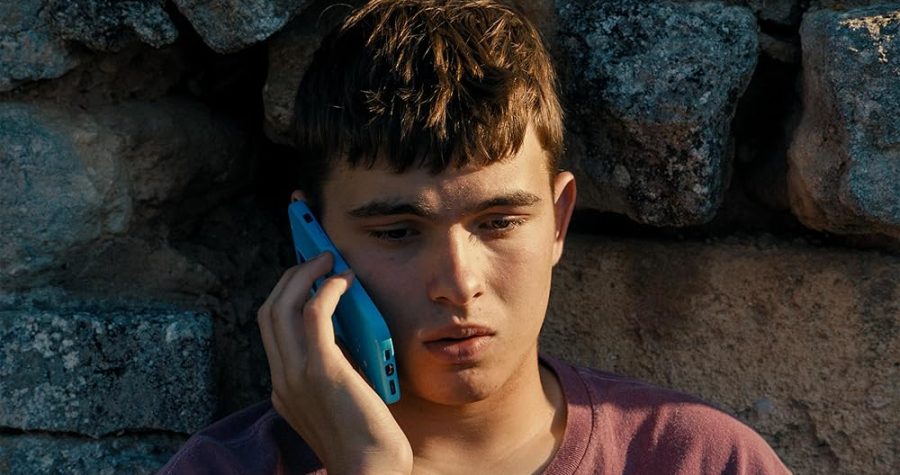
Robin Campillo’s Enzo, which opened this year’s Directors’ Fortnight at Cannes, is less a finished film than a luminous fragment of a life
Continue Reading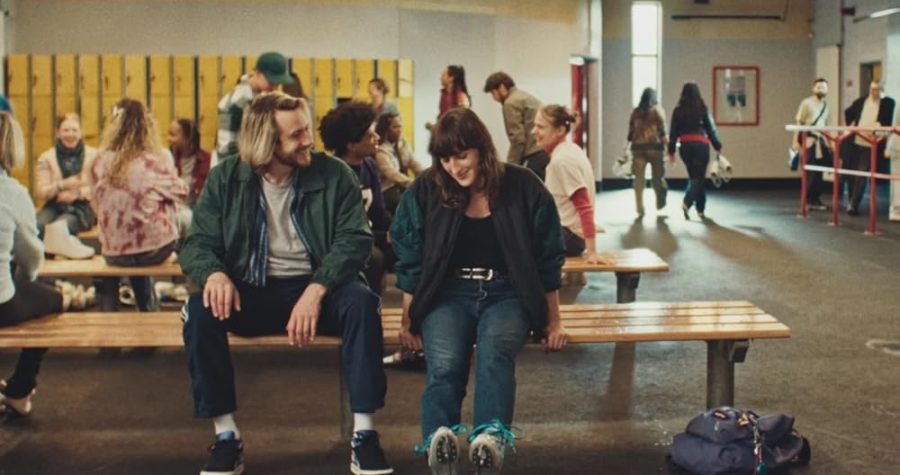
Festival de Cannes 2025 | Cannes’ opening musical shows the festival’s confidence
Leave One Day (Partir un jour), debut by Amelie Bonnin,is a humane musical comedy that is playing out of competition
Continue Reading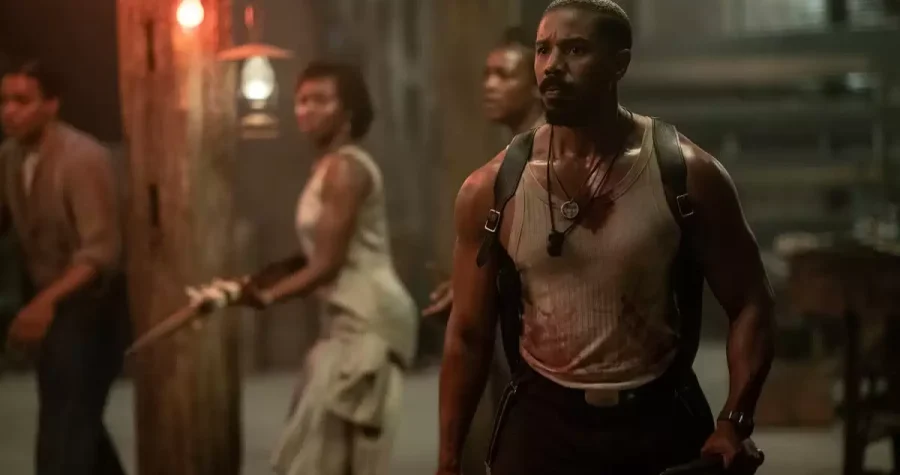
“Sinners”: Church, Guitar, and Vampires
 By UniversalCinema Magazine
“Sinners”, directed by Ryan Coogler, begins in a church and, as its title suggests, deals with sin. Here, two forces—good and evil, one being faith and religion, the other demonic entities turned vampires—are set to face off: the classic horror formula tied to churches and religion. But this time, not everything goes by the book.
What makes Sinners compelling is its deviation from the norm—both in theme and form. It refuses to fully submit to the usual good-vs-evil, religion-vs-devil dichotomy, and it doesn’t closely resemble its genre peers either. While it borrows elements from the worlds of George Romero and Sam Raimi, it owes more—much more—to the sensibilities of Quentin Tarantino and Robert Rodriguez.
Set in 1932 Mississippi, the film follows two Black twin brothers, both World War I veterans (both played by Michael B. Jordan), who dream of creating a safe haven for Black joy and leisure amid deeply entrenched racism. They’re joined by their cousin Sammie, a guitar player, who, early in the film, is warned by a priest about the demonic power of the guitar.
The first hour serves as a somewhat drawn-out setup that could’ve been trimmed. But once everyone gathers at this makeshift venue, the film catches fire and doesn’t let the audience breathe. Beneath the chaos and bursts of violence, a searing story about racism unfolds—one that resists preachiness while offering gripping insight into America’s untold histories. Everything starts with skin colour: people are divided into Black and white, set starkly against each other. Then enters an Irish-born vampire (a nod to many Americans’ Irish ancestry), who becomes enchanted by Sammie’s music and follows him with an offer—to turn him into a vampire. In a striking scene where he urges Sammie to accept the transformation, he claims that in the world of vampires, skin colour no longer matters. And this is where the film smartly distances itself from the usual clichés of good and evil, challenging the viewer to think: how can a world built on religion be so soaked in prejudice, while the world of “evil” vampires appears free of it?
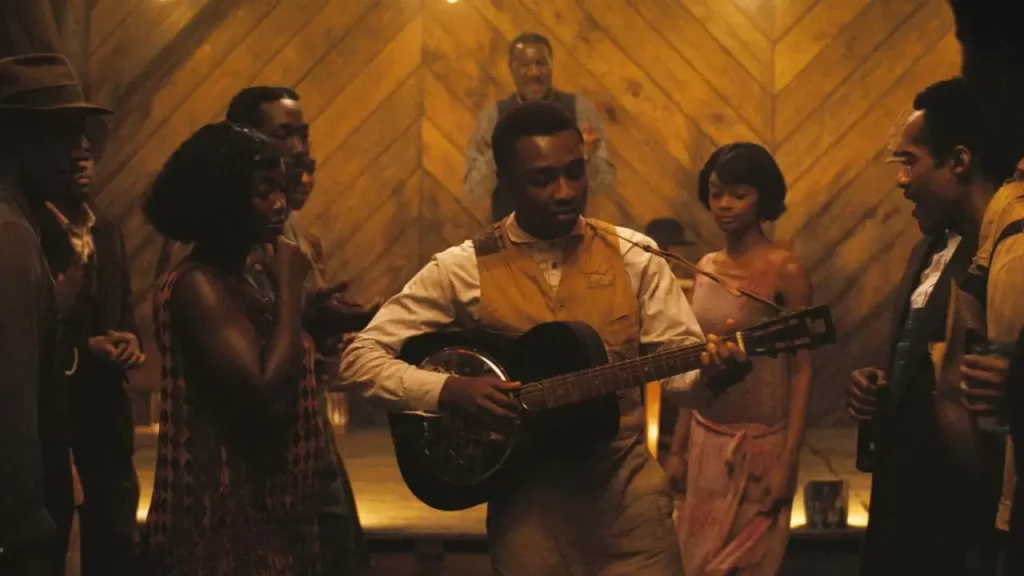
In the middle of all this, music becomes a core, driving force. The film is about music—it begins and ends with it. Music pulses through every moment of the film, intertwined with its soul, and deeply embedded in the life of the protagonist. In the opening scene, Sammie walks into the church carrying a broken guitar. The priest asks him to lay down his bloody guitar. By the end of the film, we return to that moment, only now we see that the very guitar the priest deemed demonic becomes Sammie’s salvation—he defeats the vampire with it. In the end, Sammie refuses the priest’s request and does not lay down his guitar.
After the credits begin to roll, the film continues for a few more minutes. Sixty years have passed. Sammie is now a celebrated musician, yet the vampire story lingers, as if to say the battle between good and evil is eternal. And in that eternal struggle, the film chooses not religion, but music—art—as the true path to redemption.
© 2020-2025. UniversalCinema Mag.
- ‹ Previous
- 1
- 2
- 3

Recent Comments